
Embracing Nature: Castor Oil Benefits - A Complete Guide
Castor oil benefits - come with us as we take a deep dive into the many benefits and uses of this precious oil derived from the seeds of the Ricinus Communis plant.
Totoka Naturals
12/1/20256 min read
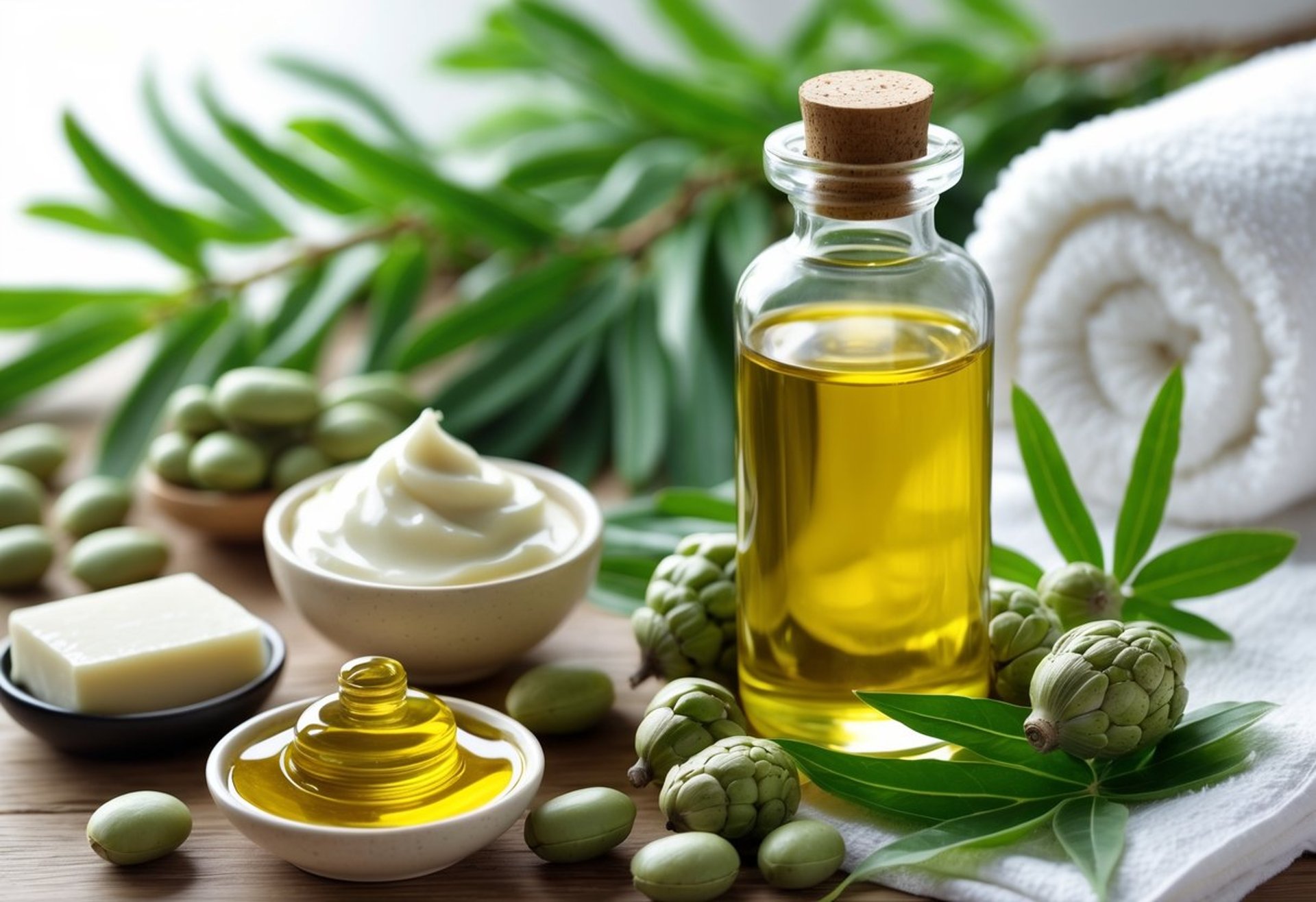
Castor oil has been valued for centuries for its versatile uses in health, beauty, and wellness. Derived from the seeds of the Ricinus communis plant, this thick, nutrient-rich oil continues to hold a place in modern routines for its natural properties. It supports digestion, moisturizes skin and hair, and may even help reduce inflammation when used correctly. Many turn to castor oil as a simple, affordable way to support overall well-being. Whether used to ease temporary constipation, hydrate dry skin, or calm a flaky scalp, it provides multiple functions with one ingredient. Its fatty acid composition gives it both soothing and protective qualities that make it a staple in many households. As interest in natural remedies grows, understanding castor oil’s true benefits and limits becomes essential. Exploring what it is, how it works, and how to use it safely helps clarify which claims hold up to research and which remain tradition.
What Is Castor Oil?
Castor oil is a vegetable oil derived from the seeds of the castor plant (Ricinus communis). It is known for its dense texture, pale yellow color, and high concentration of fatty acids that give it both cosmetic and medicinal value. The oil has been used across cultures for applications ranging from skin care and hair growth to industrial lubrication. The castor plant is native to Africa and India, thriving in warm climates and cultivated in many tropical and subtropical regions today. Its seeds, often called castor beans, contain between 40–60% oil by weight. Cold-pressed organic castor oil is often preferred for personal care uses due to its chemical-free nature and purity, the organic brand that we like to use can be found here https://amzn.to/4pLk3kZ
Health Benefits of Castor Oil
Castor oil supports digestive comfort, skin repair, and immune defense when used appropriately. Its value comes from ricinoleic acid, a fatty acid responsible for most of the oil’s biological activities, including anti-inflammatory and antimicrobial effects.
Natural Laxative and Constipation Relief
Castor oil acts as a stimulant laxative, encouraging bowel movement by triggering the intestines to contract. Once ingested, enzymes break the oil down into ricinoleic acid, which binds to receptors in the intestinal walls. This interaction promotes muscle contractions that move stool through the colon. Because of its rapid action, castor oil has long been used for constipation relief. Studies show that a single oral dose taken under medical supervision can effectively relieve temporary constipation within several hours. The U.S. Food and Drug Administration (FDA) recognizes castor oil as safe for this purpose but not for long-term use. Prolonged or excessive intake can cause abdominal cramping, diarrhea, or fluid imbalance. For most adults, medical sources recommend no more than 15–60 mL per day, depending on individual tolerance. Adequate hydration should accompany use, as the laxative effect may increase water loss.
Anti-Inflammatory Effects
Ricinoleic acid gives castor oil notable anti-inflammatory properties. Laboratory studies show that it inhibits compounds such as prostaglandins, which are involved in inflammation and pain signaling. This activity explains its traditional use to ease joint stiffness and muscle discomfort. When applied topically, the oil may help reduce mild swelling or tenderness from conditions like arthritis. Animal research supports these findings, showing decreased inflammation in tissues treated with ricinoleic acid. While human studies remain limited, available evidence suggests that topical use can provide modest pain relief in certain inflammatory conditions without the side effects common to chemical anti-inflammatory drugs. Castor oil’s thick consistency also provides a gentle warming effect when massaged into the skin, which may improve circulation in affected areas. This local action can further reduce stiffness and promote relaxation of underlying tissues.
Wound and Skin Healing
Castor oil promotes wound healing by keeping the affected area moist and protected from external irritants. Its occlusive nature forms a barrier that reduces transepidermal water loss, which helps skin cells regenerate more effectively. In some formulations, castor oil serves as a base for medicinal dressings because it supports cell growth while preventing scab formation that can delay repair. Research indicates that it can assist in minor wound recovery and help soften scars. The oil’s richness in fatty acids also makes it a gentle moisturizer for dry or cracked skin, helping maintain elasticity. When used in skincare, castor oil may reduce signs of irritation or flaking due to its natural emollient effect. Applying it sparingly can help improve texture without clogging pores.
Uses of Castor Oil for Hair and Skin
Castor oil supports hydration, scalp nourishment, and skin renewal. It functions as a natural humectant, drawing moisture from the environment and locking it into the skin. Its high ricinoleic acid content helps strengthen the skin's barrier and prevent water loss. This makes it useful for relieving dry skin, flakiness, and rough patches. In everyday skin care, people often apply a few drops of castor oil as a nighttime moisturizer or mix it with other carrier oils, such as jojoba or almond oil, to reduce thickness and improve absorption. Because castor oil is non-comedogenic for most skin types, it can also serve as a gentle makeup remover or a base for cosmetics. Routine use can improve softness and create a smoother, more even surface without synthetic ingredients. Castor oil is widely used to improve scalp health and encourage hair growth. It promotes circulation to hair follicles, helping deliver nutrients that support thicker strands. The oil’s antifungal and antibacterial properties also help reduce dryness, dandruff, and itching. A common method is to warm a small amount of oil and massage it into the scalp before shampooing. Leaving it on for 30 minutes allows deeper penetration and improved hydration. It can also be combined with lighter carrier oils like coconut or argan oil to make application easier and prevent buildup. Consistent use of castor oil for hair may help to retain moisture, reduce breakage, and improve shine, especially for coarse or textured hair types.
Reducing Fine Lines and Wrinkles
Castor oil may reduce the appearance of fine lines and wrinkles by maintaining hydration and improving skin elasticity. The fatty acids act as emollients, softening the skin and filling in uneven texture temporarily. Its vitamin E and antioxidant content assist in neutralizing free radicals that contribute to early skin aging. When applied regularly to areas prone to dryness—such as around the eyes or mouth—it can help the skin appear smoother and more supple. For application, a small amount is typically dabbed onto clean skin using a cotton pad or fingertip. Some users blend it with carrier oils like rosehip or grapeseed for enhanced absorption and a lighter feel.
When used consistently, it can help reduce the visibility of stretch marks formed during pregnancy, weight changes, or growth. Its thick texture creates a hydrating film that enhances suppleness and promotes flexibility in stretched areas. A gentle massage using warmed oil improves circulation and absorption.
Menstrual and Joint Relief
Castor oil may provide comfort for menstrual cramps and joint pain when used topically. Applied with gentle heat, the oil’s viscosity and anti-inflammatory effects can ease muscle tension and reduce stiffness. Some individuals massage a small amount onto the abdomen or knees to relieve discomfort associated with cramps or arthritis. A castor oil pack over the lower abdomen can be paired with a warm compress to enhance penetration. This combined application may calm uterine muscles and promote a more manageable menstrual cycle. For joint relief, massaging the oil into affected areas can help lubricate tissues and lessen soreness after repetitive movement. While research remains limited, many individuals find it a safe, supportive option alongside conventional care.
Support for Liver Function
Topical castor oil applications may assist liver function by stimulating lymphatic and circulatory activity in the upper right abdomen, where the liver is located. Regular use is believed to support the body’s natural detox processes by improving fluid movement around the liver and gallbladder. A castor oil pack placed over this area with mild heat for 30–45 minutes helps encourage gentle drainage of stagnant fluids. This approach can complement broader wellness routines that include hydration, balanced nutrition, and moderate physical activity. Practitioners use this natural remedy not as a substitute for medical treatment but as a supportive measure. When applied correctly, it adds a noninvasive way to promote comfort while maintaining healthy liver function and systemic balance.
How to Use Castor Oil Safely
Proper use of castor oil depends on its route of application, dosage, and formulation. Correct preparation and moderation prevent irritation, digestive discomfort, or unwanted reactions while ensuring the oil’s moisturizing and laxative properties work effectively.
When taken orally, castor oil acts as a stimulant laxative that promotes bowel movement. Adults usually take 1 to 2 teaspoons of pure, cold-pressed oil mixed with warm water or juice. It should not be used for more than two or three days at a time. Children and pregnant women should only use it under medical supervision due to potential side effects such as cramping or dehydration.
For topical application, a patch test on the inner arm helps detect skin sensitivity before broad use. Avoid applying to open wounds or infected areas unless advised by a healthcare professional. Accurate measurement is crucial for safe use. A standard serving for constipation relief ranges from 15–60 milliliters for adults, while topical use typically needs only a few drops. Overuse internally can cause diarrhea or dehydration, so individuals should maintain fluid intake after consuming the oil. Castor oil is generally considered safe when used appropriately, but it can trigger unwanted effects in the digestive system and skin. High doses or improper use may cause gastrointestinal distress, allergic responses, or interact poorly with certain health conditions. Understanding these reactions helps reduce risk and supports safer use.